
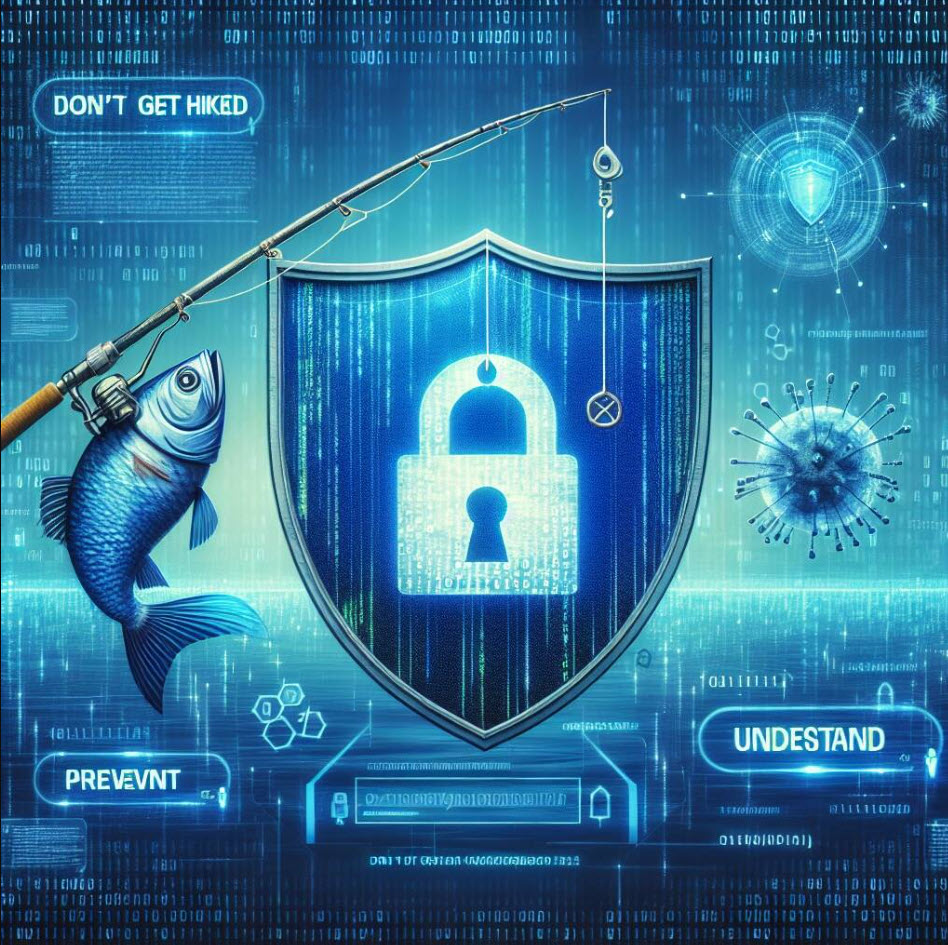
Picture this: You’re starting your day with a cup of coffee, ready to dive into your tasks, when an email from a trusted partner lands in your inbox. It looks legitimate—company logos, familiar branding—but beneath the surface lies a phishing trap set by cybercriminals.
Sound familiar? Unfortunately, this scenario is becoming all too common for businesses of every size.
Phishing scams are constantly evolving and getting more sophisticated. As a business leader, it’s critical to stay informed about these threats and recognize the dangers that even the savviest professionals can fall victim to.
The Biggest Phishing Myth
A lot of people think phishing emails are easy to spot—poor grammar, strange links, or obvious requests for personal information, right?
Wrong. Today’s phishing attacks have become much more advanced, often looking indistinguishable from legitimate emails. Cybercriminals now use sophisticated techniques like AI to mimic the tone, language, and branding of trusted organizations. This means that even the most vigilant team members could click on a harmful link or download a malicious attachment, believing it’s legitimate.
These attacks are no longer just obvious scams—they’re carefully crafted deceptions.
The Many Faces of Phishing Scams
Phishing comes in many forms, each designed to exploit different vulnerabilities. Here are the most common types:
• Email phishing: This is the most frequent method, where attackers send emails that appear to come from well-known organizations. The emails often direct users to fake websites designed to steal personal or financial information.
• Spear phishing: A targeted form of phishing that focuses on specific individuals or businesses. Attackers collect personal information to craft convincing emails, making it harder to detect.
• Whaling: A type of spear phishing aimed at high-level executives or decision-makers. The goal? To trick them into disclosing sensitive data or authorizing financial transactions.
• Smishing: Phishing via SMS. These text messages direct victims to malicious websites or ask them to call a number and provide personal information.
• Vishing: Similar to smishing, but using phone calls instead. Attackers pose as legitimate institutions, such as banks, and request sensitive details over the phone.
• Clone phishing: Attackers replicate a legitimate email you’ve already received, but replace the original links or attachments with malicious ones. Because the email appears familiar, it’s easier to fall for the trap.
• QR code phishing: Attackers use QR codes that, when scanned, lead you to phishing sites. These often appear on flyers, posters, or in emails.
How to Protect Your Business from Phishing Scams
Phishing attacks may be getting more sophisticated, but so are the ways to defend against them. Here’s how you can safeguard your business:
• Train your team: Regularly educate employees on the latest phishing tactics and run simulated phishing exercises to keep them alert.
• Use advanced email filtering: Invest in email filters that detect and block phishing attempts before they reach your inbox.
• Enable multi-factor authentication (MFA): MFA adds an extra layer of protection, even if credentials are compromised.
• Keep everything up to date: Ensure your systems and software are equipped with the latest security patches.
• Use firewalls and antivirus protection: Fortify your network with firewalls, antivirus software, and intrusion detection systems to block unauthorized access.
Partner with Us for Stronger Cybersecurity
Phishing scams are evolving, and staying ahead of these threats takes ongoing effort and proactive defense. That’s where we come in.
At UrTechNow, we specialize in helping businesses like yours strengthen their defenses against phishing and other cyberthreats. Let’s work together to create a safer digital environment for your company.
Don’t wait until it’s too late. Contact us today to find out how we can help protect your business from phishing attacks. Just drop us a message, and we’ll get started on securing your business.
This version keeps the focus on UrTechNow’s personalized style and encourages action. Does it hit the mark for you?